
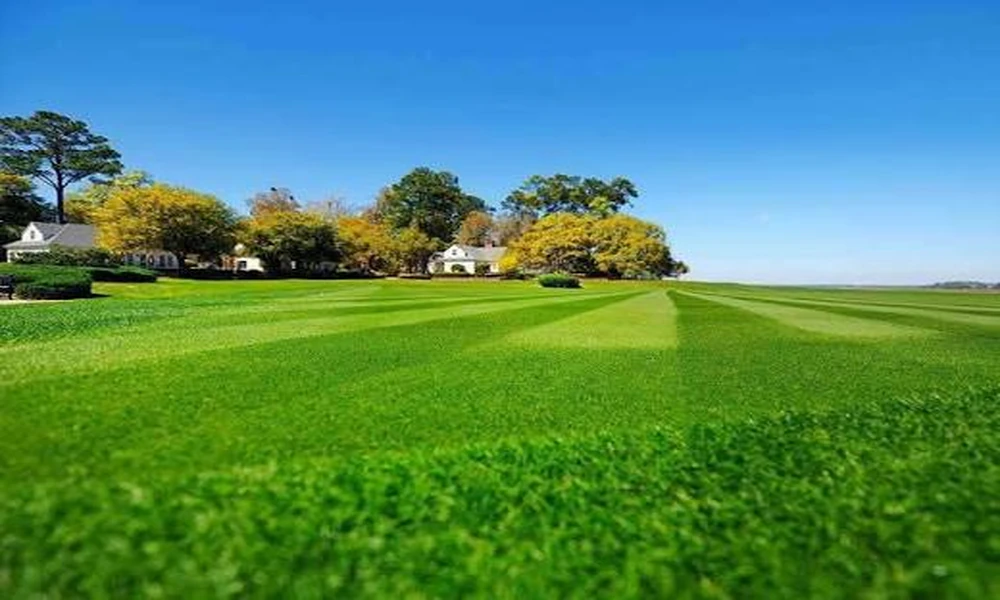

Weeds love freshly prepared soil just as much as new grass does. The first few months after sowing are when they cause the most trouble. Young native seedlings grow slowly at first, which gives fast weeds an early lead. Anyone starting dk seeds native turf should plan for weed control before the first seed goes down. A little effort early prevents a much bigger problem later.
Why Do Weeds Appear?
Most soil already holds thousands of dormant weed seeds. Tilling or raking brings them to the surface, where light and water wake them up. Native grasses establish slowly, so weeds often sprout faster during the first few weeks.
What Works Before Sowing?
Preparing the seedbed carefully cuts weed pressure significantly. These steps reduce competition before native grass ever sprouts. Water the prepared area to trigger weeds before planting begins.
- Remove sprouted weeds by shallow hoeing or a safe herbicide.
- Avoid deep tilling right before sowing to limit buried seeds.
- Cover summer beds in clear plastic for four to six weeks.
- Skip nitrogen fertilizer at planting because weeds benefit most from it.
When Should Herbicides Wait?
Preemergent weed preventers stop grass seed from sprouting along with weeds. Most labels require waiting roughly two to four months after application before sowing. After planting, hold off on weed killers until native seedlings have been mowed two or three times.
Mowing Helps Control
Regular mowing at three to four inches cuts weed tops before they set seed. Native grass tolerates this height well while many weeds lose their advantage.
Common Weed Questions
These questions come up often during the first growing season. Short answers help you act quickly without guessing.
- Should I pull weeds by hand? Yes, small areas respond well when soil is slightly moist.
- Will weeds disappear on their own? Many fade once native grass thickens over one or two seasons.
- Is straw mulch helpful? A thin layer holds moisture, though some straw carries weed seed.
- Can I fertilize to speed things up? Wait until grass establishes, since early feeding favors weeds.
- Do native grasses outcompete weeds eventually? Yes, dense stands shade the soil and limit new sprouts.
Hand Weeding Basics
Pulling weeds by hand works well for small plantings. Timing and technique make the job much easier.
- Pull weeds after rain or watering when roots slide out easily.
- Grip close to the soil line to remove the entire root.
- Focus on weeds before they flower to prevent new seed spread.
- Fill any holes left behind with a pinch of seed.
- Walk the area weekly so problems stay small and manageable.
Weed Control Methods Compared
Each method fits a different stage of the project. Preparation steps reduce weeds before sowing, while mowing and hand pulling manage them afterward.
| Method | Best Timing | Main Advantage | Main Limitation |
| Stale seedbed | Before sowing | Removes many weeds early | Adds two to three weeks |
| Soil solarization | Midsummer before planting | Kills seeds near the surface | Needs strong sun for weeks |
| High mowing | During establishment | Stops weeds from seeding | Does not remove roots |
| Hand pulling | Any time | Safe for young seedlings | Slow on large areas |
| Selective herbicide | After several mowings | Treats large areas quickly | Can harm young grass if early |
Combining two or three methods usually works better than relying on one. Always read herbicide labels carefully, since some products are not safe for native grasses.
Patience Pays Off
Most weed problems are worst during the first season and ease as grass fills in. Starting with a clean seedbed removes much of the early competition. Mowing high and pulling weeds regularly keeps them from spreading. Over time, healthy dk seeds native turf grows dense enough to crowd out many invaders on its own. Steady, simple care each week works better than any single quick fix.