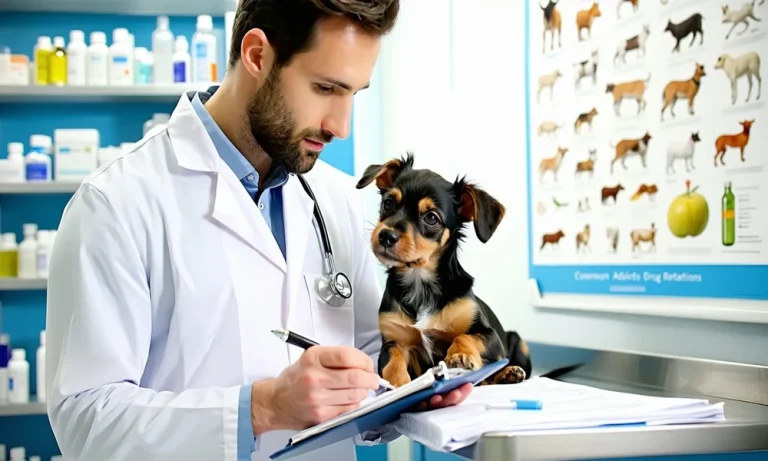


You bring home a rescue pet, and the relief hits first. Then the worry starts. They flinch when a hand moves too fast, they will not eat on a normal schedule, they pace at night, or they shut down completely. You can feel that something happened before they reached you, and no amount of love fixes everything on day one. That is where an animal clinic becomes part of the rescue story, not just for vaccines or a quick checkup, but for steady, informed care like West Palm Beach pet wellness services that helps a pet feel safe in its own body again.
How animal clinics support rescue pets’ rehabilitation comes down to three things. They treat hidden medical problems, they help separate fear from illness, and they build a plan that gives the pet a real chance to recover. Good care protects the animal, supports the rescue or adopter, and lowers the risk of setbacks that can lead to another surrender.
Rescue pet rehabilitation starts with health, behavior, and trust
Many rescue animals arrive with more than one problem at the same time. A dog that growls when touched may be guarding pain, not acting out. A cat that hides for days may be terrified, but it may also be dehydrated, anemic, or dealing with an untreated infection. Trauma and illness often show up in similar ways, which is why rescue pet rehabilitation needs clinical support early.
This is where a clinic does work that most people never see. A veterinarian and support team look at body condition, dental disease, skin issues, parasites, injuries, mobility, and signs of chronic stress. They also watch the pet’s responses during handling. That matters because behavior does not exist apart from health. Pain changes temperament. Hunger changes tolerance. Poor sleep changes everything.
Without that kind of evaluation, people can misread the animal in ways that slow recovery. A fearful dog may be labeled aggressive. A withdrawn cat may be called unsocialized when the real issue is illness. The longer those assumptions sit, the harder rehabilitation gets, because the pet keeps rehearsing stress instead of building stability.
Animal clinics also help rescue groups make hard choices with clearer information. If a pet needs surgery, treatment for heartworm, long term skin care, or behavior medication, that affects placement, foster support, and cost. It is not only about saving a life in the moment. It is about creating a path the pet can actually manage.
Programs shaped by shelter medicine guidance from the University of Florida often focus on disease control, stress reduction, and population level care. That approach helps clinics and rescues protect both the individual pet and the larger rescue environment. Similar work from the University of Wisconsin Shelter Medicine Program supports better intake protocols, treatment planning, and housing decisions that reduce fear and illness in shelter and rescue animals.
Animal clinic care reduces setbacks that slow recovery
You may see progress one week and a crash the next. That is normal with rescue animals, especially when stress hormones stay high for long periods. A pet may seem settled, then react strongly to a visitor, a leash, a crate, or a routine exam. Clinics help by tracking patterns instead of judging one bad day.
That support often includes pain management, parasite treatment, vaccines, spay or neuter care, nutritional plans, diagnostic testing, and referrals for behavior work when needed. In some cases, short term medication lowers panic enough for training and bonding to start working. In others, the biggest change comes from treating ear infections, dental pain, or gastrointestinal disease that made the pet feel under threat all the time.
Support for rescued animals also means helping humans stay realistic. Foster homes and adopters often blame themselves when a pet struggles. The truth is simpler and harder. Recovery is uneven. A clinic can explain what is expected, what is urgent, and what needs patience. That keeps small problems from turning into returns, bites, severe weight loss, or worsening fear.
Practical differences between home observation and clinic guided rehabilitation
| Area | Home Observation Alone | Clinic Guided Care |
|---|---|---|
| Pain detection | Often missed, especially in quiet or shut down pets | Physical exam can identify injury, dental disease, arthritis, and soft tissue pain |
| Behavior concerns | Fear may be mistaken for disobedience or aggression | Medical causes and stress responses can be separated more accurately |
| Infectious disease risk | Symptoms may spread before they are recognized | Testing, vaccines, parasite control, and isolation advice reduce spread |
| Nutrition and weight | Feeding may be inconsistent or based on guesswork | Body condition scoring and diet planning support steady recovery |
| Long term outcomes | Setbacks can lead to surrender or failed placement | Structured follow up improves adoption stability and welfare |
The table reflects a simple truth. Love helps a rescue pet feel safe, but care plans built through an animal clinic give that love structure. Structure is what helps progress hold.
Small, immediate steps can make rehabilitation easier
Book a full intake exam early. Do not wait for obvious symptoms. Ask for a nose to tail assessment, parasite screening, pain evaluation, and guidance on stress related behavior. If the pet came from a crowded shelter, hoarding case, or unknown background, mention that clearly.
Track behavior next to health signs. Write down eating, sleep, stool changes, scratching, pacing, hiding, startle responses, and reactions to touch. Patterns matter more than isolated moments. This record helps the clinic spot whether the issue is fear, pain, illness, or a mix of all three.
Build a slow routine and stick to it. Feed at the same times, keep the environment quiet, limit visitors at first, and use one safe resting area. Ask the clinic what handling, exercise, and exposure levels fit your pet’s current state. Rehabilitation for rescue pets works best when medical care and daily routine support each other.
Steady clinic support gives rescue pets a real chance to heal
Rescue animals do not need perfection from you. They need safety, patience, and care that responds to what their body and mind have been carrying. Clinics support that process by finding what hurts, treating what can be treated, and giving you a plan that makes recovery less confusing. If you are caring for a rescue pet now, reach out to a trusted animal clinic and start with a full evaluation. Early support can change the whole course of healing.