
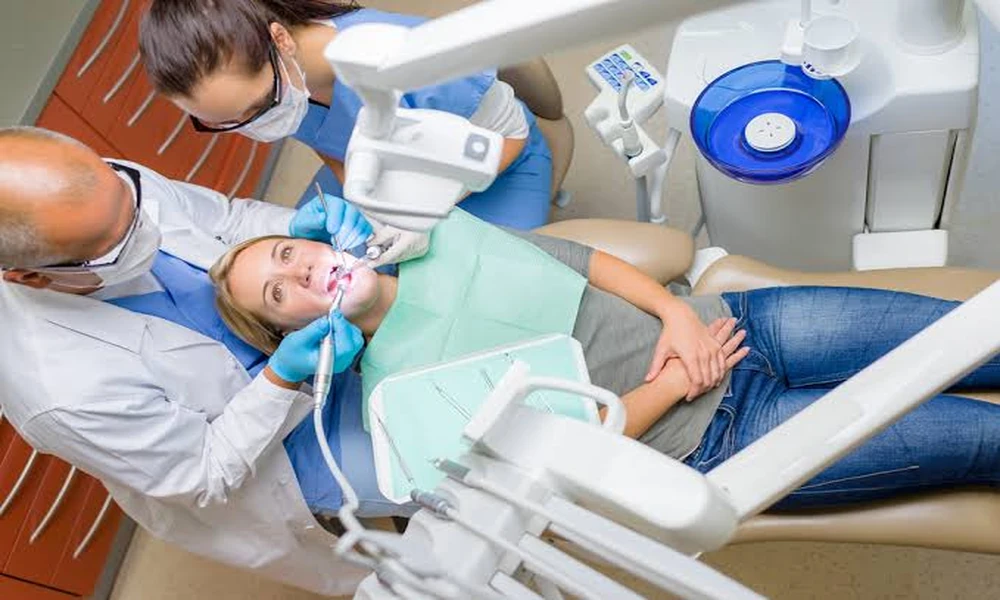

Getting dental care can feel hard enough on an ordinary day. When you or someone you love has a developmental disability, a chronic medical condition, sensory challenges, mobility limits, or anxiety tied to treatment, even booking an appointment can feel heavy. You may be wondering whether the office will understand, whether your family member will be rushed, or whether a simple cleaning could turn into a stressful experience. An experienced Durango dentist can help make that process feel more manageable.
That stress is real, and it often starts long before anyone sits in the dental chair. Forms may not ask the right questions. Waiting rooms may be loud and bright. A patient may need more time to process instructions, more physical support to transfer safely, or a different way to communicate pain. Good care changes to fit the patient, not the other way around. That is the heart of how family dentists adapt care for patients with special health needs.
Family dentists adjust care plans to match the whole patient
A strong family dentist does not treat special health needs as a side note. Medical history, medications, behavior patterns, communication style, and daily routines all shape the visit. A patient with autism may do better with visual schedules and a quiet room. A patient with cerebral palsy may need positioning support and shorter appointments. A patient with a heart condition may need coordination with a physician before treatment. The plan changes because the person in the chair is not generic.
This matters because oral health problems can build fast when daily brushing is difficult, when dry mouth comes from medication, or when a person cannot easily describe pain. The National Institute of Dental and Craniofacial Research explains that people with developmental disabilities often face added barriers to oral care and may need tailored support. You can read more through the NIDCR guide on developmental disabilities and oral health.
Families feel the pressure from all sides. Missed work, transportation planning, insurance questions, and fear of a difficult visit can lead people to delay care. Then a small cavity becomes an infection, or gum irritation becomes bleeding that makes home care even harder. Early, adapted care lowers that risk.
Dental care for special needs patients depends on communication, environment, and pacing
Many people think adaptation means sedation or advanced equipment. Sometimes it does. More often, it starts with basic respect. Staff may ask about triggers, comfort items, mobility needs, and whether the patient responds better to spoken words, gestures, pictures, or caregiver cues. That information is not extra. It is part of safe treatment.
The environment often needs just as much attention as the procedure. Bright overhead lights, sudden noises, strong smells, and long waits can overwhelm patients with sensory sensitivities. A family dentist may schedule the first appointment of the day, reduce time in the waiting room, explain each step before touching the patient, and allow breaks during treatment. These changes sound simple, yet they can decide whether a visit succeeds or falls apart.
Financial strain can add another layer. Extra time in the operatory, specialized supports, or treatment under sedation may affect cost. Insurance coverage can be uneven, and families are often left sorting through what is covered and what is not. That is one reason access remains uneven across many communities. The CDC describes how oral health inequities affect people with disabilities and other underserved groups in its page on oral health equity.
Special needs dental care also depends on pacing. Some patients can handle a full exam and cleaning in one visit. Others need desensitization visits first. A child may come in once just to sit in the chair and hear the suction. An older adult with dementia may do better with very short morning visits when confusion is lower. That slower path is still progress.
Adapted family dentistry reduces preventable stress and treatment delays
When care is not adapted, the problem usually grows. A patient who had one overwhelming visit may refuse to return. Caregivers may postpone appointments because they expect another struggle. Pain gets missed because the person cannot explain what hurts, or because behavior changes are mistaken for something else. A family dentist who knows how to read those signs can catch trouble earlier.
This is where accommodations in family dental care make a real difference. The goal is not to force a patient through a standard visit. The goal is to build a routine that protects oral health and preserves trust. That may include caregiver coaching for brushing at home, fluoride treatments at shorter intervals, mouth props for safety, or referral planning when hospital based care is the better option.
Practical differences between standard visits and adapted family dentist care
| Area of Care | Standard Dental Visit | Adapted Family Dentist Approach |
|---|---|---|
| Scheduling | Next available time slot | Quiet times, shorter visits, or staged appointments based on patient tolerance |
| Communication | Verbal instructions only | Visual supports, caregiver input, simple language, tell show do methods |
| Sensory needs | Typical lighting, sounds, and waiting room flow | Reduced noise, lower stimulation, minimal waiting, comfort items allowed |
| Medical planning | Routine health review | Medication review, physician coordination, transfer and positioning support |
| Treatment pace | Full exam and cleaning in one visit | Breaks, shorter procedures, desensitization visits, flexible goals |
| Home care support | General brushing advice | Customized tools, caregiver training, prevention plans for daily challenges |
The phrase family dentist should mean more than treating all ages. It should mean understanding that one household can include very different health needs, and each person deserves care that fits.
Three steps help you prepare for better adapted dental care
Share detailed health and behavior information before the visit. Tell the office about diagnoses, medications, allergies, seizure history, mobility limits, sensory triggers, and what helps the patient stay calm. Mention if the patient uses a wheelchair, communication device, weighted item, or caregiver prompts. Staff can prepare better when they know what to expect.
Ask for specific accommodations, not general reassurance. Instead of asking whether the office is good with special needs patients, ask whether they can offer a quiet room, early appointment, extra time, visual supports, or a gradual first visit. Clear requests get clearer answers.
Build a home routine that matches the patient’s abilities. If brushing is hard, ask about adapted handles, electric toothbrushes, fluoride options, or positioning tips. Prevention matters even more when office visits are challenging. A few workable changes at home can prevent painful treatment later.
Adapted family dental care supports dignity as much as oral health
You are not asking for special treatment when you ask a dental office to adjust care. You are asking for appropriate care. That is a fair expectation. The right family dentist sees the person first, plans around real needs, and makes dental care more manageable for patients and caregivers alike.
If you are looking for a dental home that understands medical, sensory, behavioral, or mobility challenges, reach out and ask how the office adapts visits for patients with special health needs. One thoughtful conversation can make the next step feel much lighter.