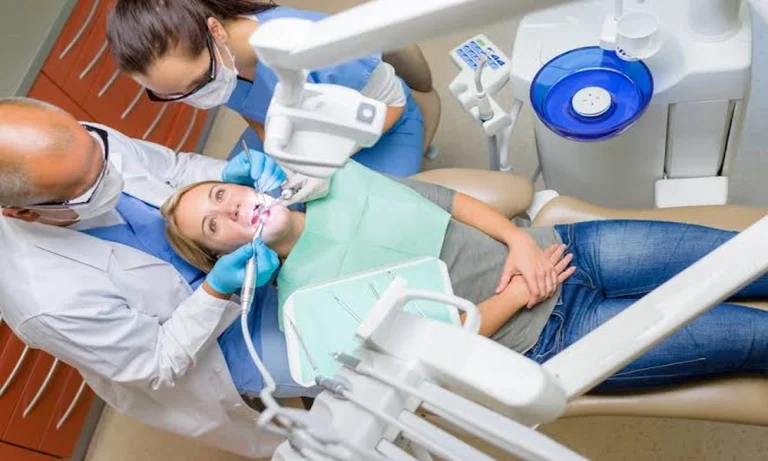
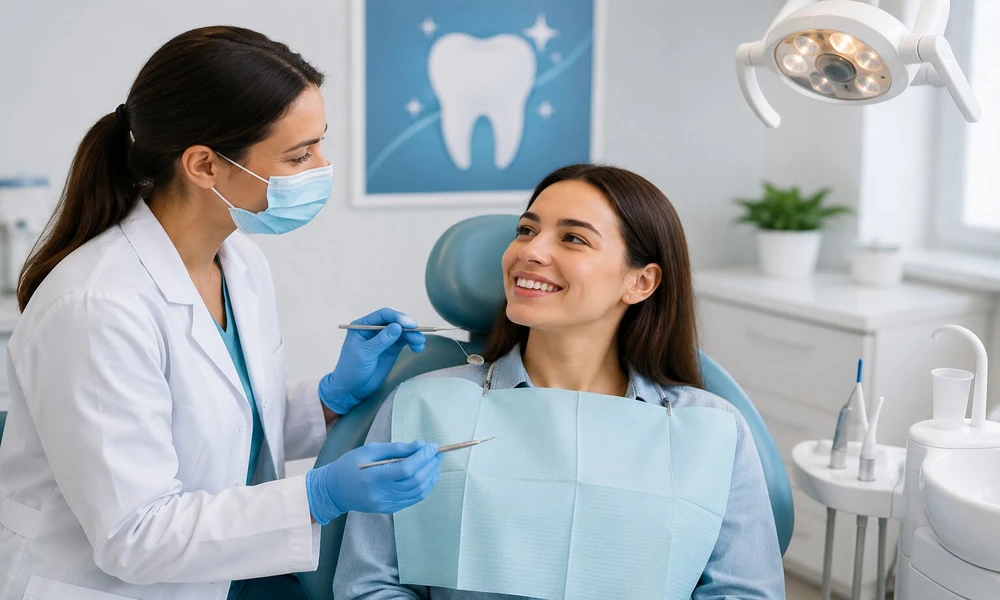

You may be seeing it in your own house already. One person needs a cleaning, someone else has crowded teeth, and another family member keeps putting off care because fitting two kinds of dental visits into one month feels like too much. Time gets tight, costs stack up, and care starts to feel fragmented. That is a big reason people are paying more attention to combined dental offices like Rowlett’s trusted dental practice that offer both routine dentistry and alignment treatment in one place.
The growing demand for combined general and orthodontic services is not just a convenience trend. It reflects what patients need. They want fewer referrals, fewer repeated records, and a clearer treatment plan that connects oral health with bite alignment and appearance. For many people, a general dentist and orthodontist working together under one roof means less stress and fewer missed steps.
Combined general dentist and orthodontist care reflects how people actually seek treatment
Most people do not think about their teeth in separate categories. You do not wake up thinking one day is for cavities and another is for crowding. You notice that your child has crooked teeth and overdue sealants, or that your own jaw feels off and you also need a filling. Patients want care that matches real life, and real life is rarely neatly divided.
That demand is easy to understand when you look at the broader oral health picture. The CDC reports that oral disease remains common across the United States, affecting both children and adults. You can review those oral health facts and statistics from the CDC and see how routine care still matters at every age. When preventive care, restorative treatment, and orthodontic needs overlap, a split system often slows everything down.
It gets worse when delays pile up. A patient may start with a cleaning, learn they need orthodontic treatment, wait for a referral, postpone imaging, then return months later with gum irritation or decay that should have been addressed before tooth movement began. The issue is not only inconvenience. It is lost momentum, unclear communication, and treatment that drifts instead of moving forward.
Integrated orthodontic and dental services reduce friction for families and adults
Families feel this pressure first. Parents are managing school schedules, work demands, insurance questions, and transportation. If one office can monitor growth, handle cleanings, check for cavities, and coordinate braces or aligners, the path feels more manageable. Adults want the same thing. They are often balancing cosmetic goals with existing dental work, gum health, and long gaps between visits.
Integrated orthodontic and dental services can make treatment sequencing much cleaner. If you need a filling before aligners, that decision happens quickly. If gum inflammation needs control before braces, there is less chance it gets missed. If a teenager needs both preventive care and an orthodontic evaluation, parents are not left relaying clinical details between two separate teams.
The workforce side also matters. Access to oral health professionals is uneven in many areas. HRSA has published research and reports on oral health professionals showing persistent access concerns. Their oral health workforce data also points to supply and distribution challenges. When access is already strained, patients naturally gravitate toward practices that can meet more of their needs in one setting.
General dental and orthodontic services support better coordination and earlier intervention
Coordination changes outcomes. A child with early bite issues may also have hygiene habits that need support before appliances go on. An adult considering straightening teeth may have worn enamel, old crowns, or untreated decay. In a combined setting, treatment planning tends to be more connected because the providers are working from the same records and the same goals.
Public health data backs up the need for earlier, more connected care. The CDC’s 2024 oral health surveillance findings show ongoing gaps in disease burden and access. That matters because orthodontic treatment does not happen in a vacuum. Straight teeth still need healthy gums, stable bone support, and regular preventive care.
| Care Model | Separate Offices | Combined General and Orthodontic Services |
|---|---|---|
| Scheduling | Multiple appointments at different locations | Fewer trips and easier coordination |
| Treatment Planning | Relies on referrals and transferred records | Shared records and faster decisions |
| Preventive Care During Orthodontics | Higher chance of gaps between providers | Routine monitoring can happen alongside alignment care |
| Family Convenience | Parents manage separate systems and calendars | One point of contact for multiple needs |
| Adult Cases With Existing Dental Work | More back and forth before treatment starts | Quicker review of fillings, crowns, gum health, and alignment goals |
The pressure behind this demand is practical, financial, and emotional
People often assume this demand is mostly about looks. It is not. It is about efficiency, prevention, and avoiding the feeling that your care is scattered. If you have ever had to repeat your history, transfer X rays, call two offices to compare dates, or pause treatment because one issue was discovered late, you already know how draining that can be.
Financially, delays can raise costs. A small cavity found early during a routine visit is easier to treat before orthodontic work begins. Gum problems caught during regular maintenance are easier to manage before they interfere with tooth movement. The longer care stays disconnected, the more likely simple issues become more involved and more expensive.
Three steps you can take before choosing a general dentist and orthodontist
Ask how treatment is coordinated. Find out whether preventive care, restorative work, and orthodontic planning are reviewed together. You want clear sequencing, not separate opinions that leave you guessing.
Request a full baseline evaluation. This should include routine dental needs, gum health, bite concerns, and alignment goals. If anything needs attention before braces or aligners, you should know that upfront.
Look at the long view, not just the first appointment. A convenient start means little if follow up becomes confusing. Ask how the office handles cleanings during orthodontic treatment, emergency visits, repairs, and communication about changes in your plan.
Connected care is why combined services keep gaining ground
The shift toward combined care makes sense because patients are asking for something simple and reasonable. They want dental treatment that feels connected, efficient, and easier to manage. General dental and orthodontic services in one setting can remove a lot of the friction that causes people to delay care in the first place.
If you have been putting off treatment because it all feels too complicated, this is a good time to look for a practice that can bring routine care and orthodontic treatment together. A clearer plan, fewer handoffs, and one trusted team can make moving forward feel a lot lighter.