

Diesel alone used to be enough for remote sites. Fuel costs keep climbing. Emissions rules keep tightening. Relying on one power source alone doesn’t hold up as well as it used to.
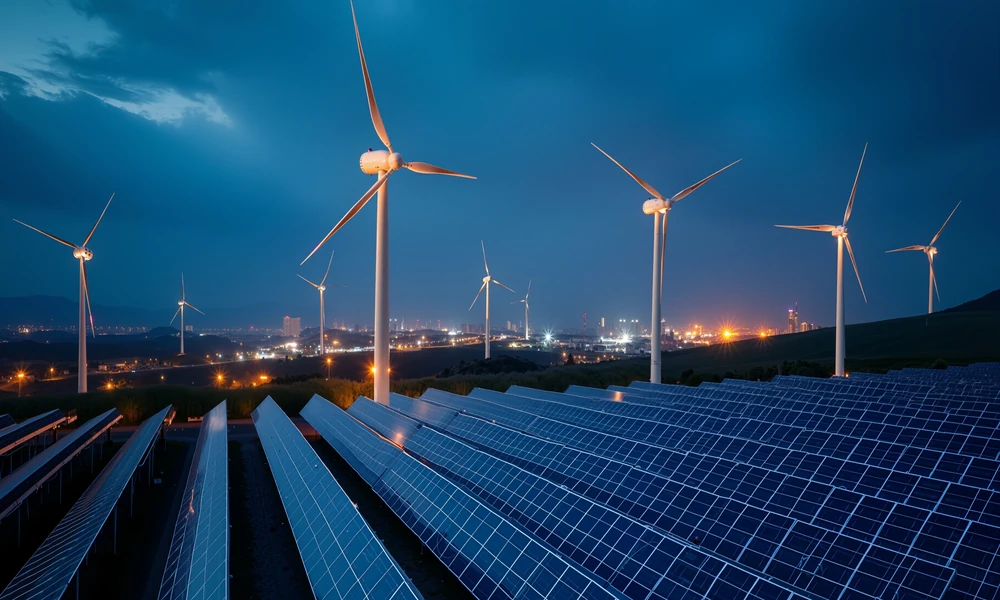
The hybrid power generation combines solar, battery storage, and diesel or gas generation into one working system. Each piece covers what the others can’t. The result is power that’s more reliable, and considerably cheaper to run, than any single source alone.
What each piece of the system actually does
- Solar panels provide clean, low cost power whenever the sun is out
- Batteries store extra energy and smooth out sudden demand spikes
- Thermal generation covers the gaps, at night or during heavy demand
Fuel costs drop more than people expect
Solar and battery storage cut how often the generator actually needs to run. Fewer running hours means less fuel burned. It also means less wear on the generator itself. Over a multi year project, that adds up to real, measurable savings, not just a marginal improvement.
Uptime improves in harsh environments
Remote sites can’t just call an electrician when something fails. Batteries bridge the gap when one source drops out unexpectedly. That redundancy keeps operations running through conditions that would stop a single source system completely.
Equipment lasts longer with less strain
A generator running fewer hours needs less maintenance. It lasts longer too. That reduces both the direct cost of upkeep, and the indirect cost of unplanned downtime while repairs happen. A hybrid setup protects the equipment investment, not just the fuel budget.
Financing doesn’t require heavy upfront capital
A full hybrid plant sounds like a huge capital project. It doesn’t have to be. Models like BOOT and energy as a service remove the need for upfront spending. A provider builds and operates the plant instead, so cash flow stays available for the main project itself, not tied up in power infrastructure.
The scale of the challenge ahead
The world faces an estimated power gap of 100 gigawatts by the end of this decade. That gap hits remote and off grid operations hardest, since they can’t simply draw more from an already stretched national grid. Hybrid systems are one of the more practical ways to close that gap on a site by site basis, without waiting on national infrastructure to catch up.
Real deployments already prove the model
Hybrid systems already run across more than twenty five African countries, powering mines, manufacturing plants, and oil and gas operations far from any national grid. These aren’t pilot projects or small experiments. They’re full working plants, delivering power every single day, in some of the harshest operating environments in the world.
Microgrids take the concept even further
A hybrid system can grow into a full microgrid, managing every power source on site as one coordinated unit instead of separate pieces. Some operators cut energy costs by twenty to forty percent this way, without any major upfront capital spending. That kind of saving compounds over a multi year project, turning power infrastructure from a fixed cost into a genuine competitive advantage.
Getting started doesn’t require a full commitment upfront
Most providers start with a site assessment, not a signed contract. That assessment looks at current fuel spend, site conditions, and available space for solar. It’s a low risk way to see the actual numbers before deciding whether hybrid power makes sense for a specific operation.
A short checklist before considering hybrid power
A few questions help determine whether hybrid actually fits your site.
- Confirm current fuel spend and how much of it could shift to solar
- Check whether the site has enough space and sunlight for solar panels
- Ask about financing models that avoid upfront capital spending
Thehybrid power generation isn’t just a sustainability upgrade. It’s a genuine operational and financial improvement for sites that depend on power every single day.