
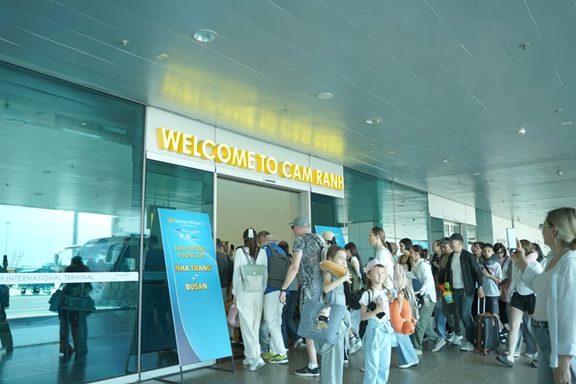

There is a quiet moment at the beginning of every trip that often goes unnoticed. It happens after the plane lands, after immigration, after the suitcase finally rolls onto the belt. It’s the moment when the journey stops being theoretical and starts becoming real.
For me, that moment in Vietnam arrived when I needed to make a simple phone call.
It wasn’t urgent. I wasn’t lost. I just needed to confirm a pickup time with someone who didn’t use messaging apps regularly. Standing there, phone in hand, I realized how much I usually rely on data alone — and how rarely I think about voice calls until I actually need one.
Before this trip, I had decided to try something slightly different. Instead of a data-only setup, I installed an eSIM with a local Vietnam number. At the time, it felt like an unnecessary detail. I wasn’t planning to make many calls. Most of my communication, I assumed, would happen over apps.
I was wrong — but not in the way I expected.
The first call went through instantly. No prefixes to guess. No explanations. No awkward pauses. Just a normal, local interaction that didn’t mark me as a visitor trying to figure things out.
Over the next few days, I started noticing how often that phone number quietly smoothed things out. Hotels calling to confirm arrival times. Drivers checking locations. Small businesses following up without switching platforms.
That’s when I realized something: having a local number wasn’t about calling more. It was about being reachable in the same way locals expect each other to be.
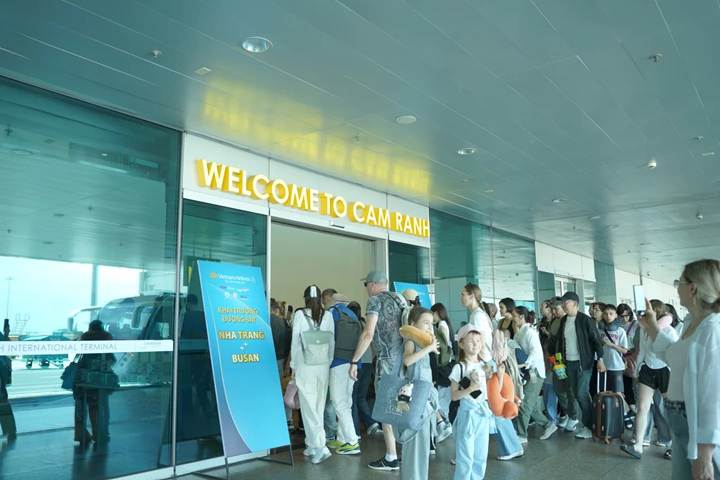
Vietnam moves at a conversational pace. Plans adjust. Times shift. People prefer quick confirmations rather than long message threads. In that context, a local phone number feels less like a technical feature and more like a social tool.
One afternoon in Hanoi, I changed my plans after a casual recommendation from someone at a café. A quick call clarified everything. Later in the trip, I met another traveler who had taken a different approach and described small delays that added up over time.
When I mentioned using a
eSIM with local Vietnam number
they nodded and said they wished they had done the same from the start.
With my setup, connectivity stayed invisible. Calls worked when they mattered. Messages arrived without delay. I rarely thought about signal strength or network switching.
By the end of the journey, my phone felt less like a device I managed and more like something that simply accompanied me.
Travel often teaches lessons through contrast. For me, Vietnam highlighted how communication is part of movement — just as important as maps, transport, or accommodation.
Having a local number didn’t make the trip louder or more exciting. It made it calmer, smoother, and more human.