
You notice it while petting your dog or cat. The coat that used to feel soft now seems dry, rough, greasy, thin, or oddly brittle. Sometimes the change is subtle at first, then one day it is hard to ignore. That shift can make you uneasy because coat texture often reflects what is happening under the skin, and sometimes deeper in the body. If you are concerned, a veterinarian in Madison, AL can help determine what may be causing the change.
General veterinarians look at coat changes as a clue, not just a cosmetic issue. A rough coat can point to parasites, allergies, skin infection, poor nutrition, hormone disease, pain that limits grooming, or stress. A greasy coat can suggest inflammation or overgrowth of yeast. Hair that breaks easily may raise concern for endocrine disease or chronic skin damage. The goal is to sort out what is simple, what needs testing, and what should be treated right away.
General veterinarians use coat texture changes to identify patterns of disease
How General Veterinarians Assess Changes In Coat Texture starts with pattern recognition. A veterinarian does not judge the coat by touch alone. They look at where the hair feels different, how long the problem has been present, whether there is itching, odor, redness, dandruff, hair loss, or changes in weight and energy. A coat that turns dull over the spine tells a different story than one that becomes greasy around the ears, feet, or tail base.
You may already have a sense that something is off, even if you cannot name it. Your pet may be scratching more, licking paws, rubbing against furniture, or grooming less because movement hurts. Some pets act completely normal except for the coat itself, which is why these changes are easy to put off. The risk is that waiting can allow a mild skin problem to become infected, painful, and more expensive to treat.
A general veterinarian usually begins with a full history. Food changes, treats, flea control, bathing products, recent moves, boarding, new animals in the home, and seasonal flare ups all matter. Age matters too. A young pet with a rough or patchy coat may have parasites, ringworm, or food related skin disease. An older pet with thinning fur and a dry coat may need evaluation for thyroid disease, Cushing’s disease, or other internal problems.
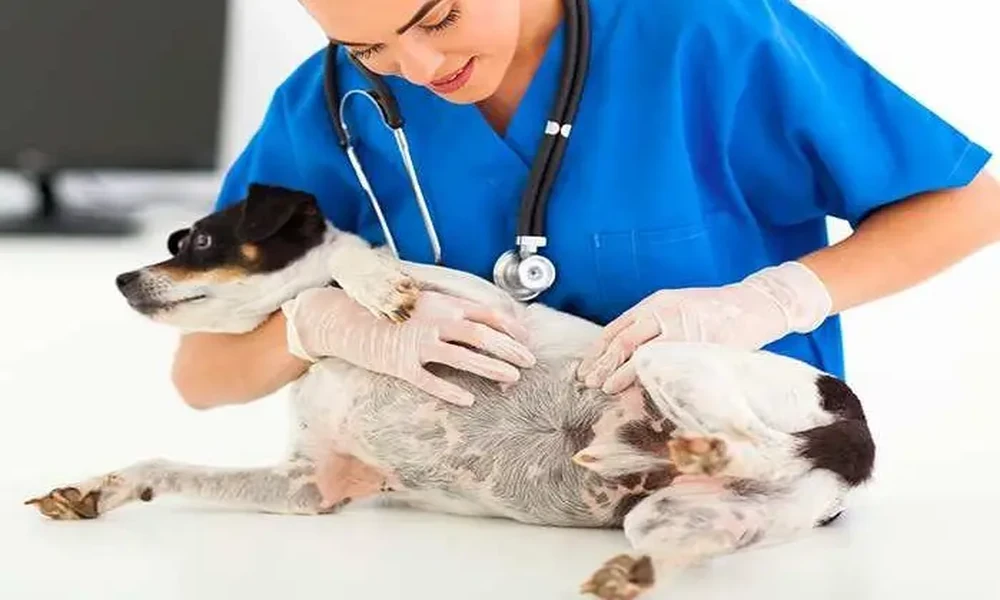
The physical exam adds another layer. Vets check the skin surface, hair shafts, ears, nails, body condition, and areas your pet cannot groom well. They may part the coat to look for flea dirt, scaling, redness, crusts, or darkened skin. The process described in the diagnosis of skin diseases in small animals often includes combining visible skin findings with lab tests rather than guessing from appearance alone.
Changes in fur texture often need skin tests before treatment
Changes in fur texture can come from several causes that look similar at home. Dry flakes and a rough coat might be simple dandruff, but they can also show up with mites, allergies, poor diet, or infection. A greasy coat might look like your pet just needs a bath, yet the real issue could be seborrhea, yeast overgrowth, or an endocrine disorder. That is why many veterinarians recommend skin cytology, skin scrapings, fungal testing, or bloodwork before prescribing long term treatment.
Skin cytology helps identify yeast and bacteria. Skin scrapings can detect mites. A flea comb may reveal evidence even when you have not seen fleas. If hair loss or coat breakage has an unusual pattern, a fungal culture or biopsy may be needed. When the skin itself shows inflammation or tissue change, dermatopathology testing and interpretation can help clarify what is happening at a microscopic level.
There is also the bigger picture. Some pets have coat changes because they are not absorbing nutrients well, they have dental pain and stop grooming, or arthritis makes self care harder. Cats are a good example. A cat with a matted lower back may have obesity or joint pain rather than a primary skin disease. Dogs with chronic ear infections and a greasy coat often end up having allergies driving the whole cycle.
Home observation and veterinary assessment work best together
| What you notice at home | What a general veterinarian checks | Why it matters |
|---|---|---|
| Dry, rough, dull coat | Diet history, parasites, thyroid signs, skin scale pattern | May point to nutrition issues, mites, allergy, or hormone disease |
| Greasy or oily fur | Cytology, odor, ear and skin fold exam | Often linked to yeast, bacterial infection, or seborrhea |
| Hair breakage or uneven texture | Hair shaft exam, fungal testing, biopsy if needed | Helps rule out ringworm, trauma, self chewing, or deeper skin disease |
| Matting or poor grooming | Weight, mobility, dental health, pain assessment | Coat change may be secondary to arthritis, obesity, or oral pain |
| Texture change with itching | Flea check, allergy history, infection testing | Itching often changes the coat because of inflammation and self trauma |
This is where a general veterinarian is especially useful. They can separate urgent skin disease from a broader medical issue and decide whether basic treatment is enough or a referral makes sense. If the problem is chronic, severe, or resistant to treatment, a specialty service such as veterinary dermatology may be the next step.
Clear next steps help you avoid trial and error
Track the pattern. Write down when you first noticed the coat change, where it started, whether your pet is itchy, and any recent food, product, or environment changes. Photos help because subtle texture and hair density shifts are easier to compare over time than from memory.
Do not self treat too aggressively. Frequent bathing, random supplements, and leftover medications can blur the picture and sometimes worsen the skin barrier. Basic grooming is fine, but avoid stacking shampoos, sprays, and diet changes all at once.
Book an exam before the skin gets more complicated. Early testing is usually cheaper than repeated guessing. If your pet also has odor, redness, scabs, ear issues, weight change, thirst change, or reduced grooming, mention that when you schedule.
Coat texture changes deserve attention before they become bigger problems
You are not overreacting by noticing that your pet’s coat feels different. Coat texture is one of the first places health problems show up, and a careful exam can narrow the cause faster than trial and error at home. When you catch the change early, treatment is often simpler and your pet gets relief sooner.
If your pet’s coat has become rough, greasy, thin, brittle, or hard to manage, schedule a visit with a general veterinarian.