
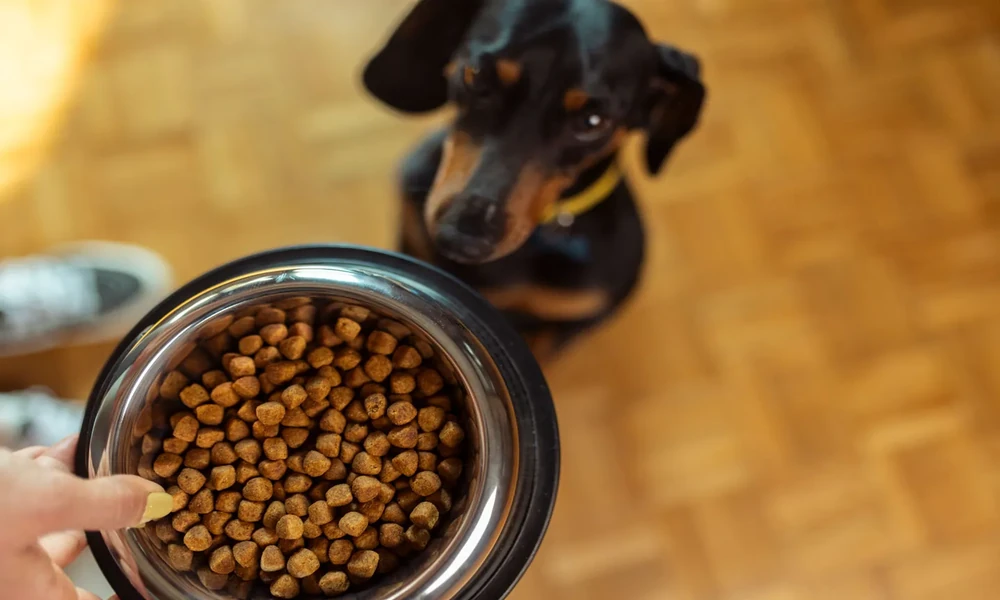

You see it all the time. A family puts off a pet exam because money is tight. A stray cat keeps having litters in the same neighborhood. A senior loves their dog but cannot get to the clinic. People care, but care alone does not fix access. That gap is where community work matters, and it is often where an Ashland veterinarian veterinary clinic does some of its best work.
When people think about animal care, they usually picture an exam room, vaccines, and a quick talk at the front desk. The reality is wider than that. How veterinary clinics support community outreach programs comes down to one simple idea. Clinics help move care beyond their walls, so more pets, more people, and the larger public health system all benefit.
This matters because animal health and human health are tied together. The CDC explains this clearly through its One Health approach, which connects people, animals, plants, and the shared environment. When clinics support outreach, they are not only helping one pet at a time. They are helping prevent disease spread, improving animal welfare, and building trust in communities that may have had little access to care before.
Veterinary community outreach closes the gap between need and access
You might live in a place where a clinic is only a short drive away, but that does not mean care is easy to get. Cost, work schedules, language barriers, transportation, and fear of unexpected treatment bills can stop people from making an appointment. For some families, one missed paycheck turns routine care into something they keep putting off.
That delay creates bigger problems. A pet that misses vaccines may become at risk for preventable illness. An untreated skin infection can turn painful and expensive. A dog that never gets spayed or neutered may add to a local overpopulation problem. By the time the pet finally reaches a clinic, the case is harder on everyone.
Animal health outreach programs help reduce that pressure before it becomes a crisis. Clinics often partner with shelters, rescue groups, schools, food banks, and local governments to offer low-cost vaccine events, spay and neuter services, wellness exams, parasite prevention, and pet care education. Some clinics also support mobile services or temporary pop-up events in neighborhoods where access is poor.
This is not charity for show. It is practical care. A vaccinated pet is less likely to spread disease. A family that learns how to manage fleas early may avoid a larger infestation in the home. A community with better access to sterilization services may see fewer stray animals enter shelters.
Veterinary clinics strengthen public trust through outreach partnerships
Outreach works best when people feel respected. If someone has been judged before for not bringing a pet in sooner, they may avoid getting help again. Clinics that support outreach programs often earn trust by meeting people where they are, both literally and emotionally.
That can look like a weekend vaccine clinic at a community center, a technician teaching children safe pet handling at a school event, or a veterinarian working with a nonprofit to offer basic care in an underserved area. Texas A&M has highlighted the value of primary care outreach clinics, showing how local access points can improve service for communities that need steady, affordable veterinary support.
Trust has a ripple effect. Once a pet owner has one good experience, they are more likely to come back for preventive care, ask questions sooner, and follow through on treatment. That helps the pet, lowers long-term costs, and eases strain on emergency services and shelters.
Community outreach through veterinary clinics creates measurable benefits
Community outreach through veterinary clinics is easier to understand when you compare what happens with and without it.
| Situation | Without Outreach Support | With Clinic Outreach Support |
|---|---|---|
| Routine vaccines | Pets miss preventive care due to cost or travel limits | Low-cost events improve vaccine rates and early contact with care teams |
| Spay and neuter access | More unplanned litters and higher shelter intake | Targeted programs help control population and reduce shelter burden |
| Owner education | Minor issues go unnoticed until they become urgent | Basic guidance helps owners act sooner and avoid larger bills |
| Public health | Higher risk of preventable disease spread among animals and people | Better prevention supports safer households and neighborhoods |
| Trust in care | Families delay visits because they feel unwelcome or overwhelmed | Community presence builds familiarity and increases follow-up care |
The table points to a bigger truth. Outreach is not separate from standard veterinary care. It supports it. A veterinary clinic that invests in outreach often helps create healthier patient loads, earlier interventions, and stronger relationships with the people it serves.
Small outreach efforts often lead to long-term community impact
Not every clinic can run a large mobile program or host monthly public events. That does not mean the work is out of reach. Even small efforts count. Donating staff time to a shelter exam day, setting aside vaccine appointments for rescue intake cases, offering handouts in multiple languages, or joining a local pet food drive can all make a real difference.
These efforts also support clinic teams. Staff members often enter animal care because they want to help, and outreach can reconnect them with that purpose in a direct way. Burnout is real in veterinary medicine. Meaningful community work can strengthen morale when it is planned well and supported properly.
Three practical ways to support veterinary outreach right now
Build local partnerships. Connect with shelters, schools, housing groups, senior centers, and food pantries. The strongest outreach programs usually start with simple partnerships that solve one clear access problem.
Focus on preventive services first. Vaccines, parasite control, wellness checks, and spay and neuter access often bring the fastest community benefit. These services reduce suffering early and lower later costs for families and organizations.
Make follow up easy. Outreach only works when people know what to do next. Clear discharge notes, simple pricing, reminder texts, and referral paths back to a veterinary clinic help turn one event into ongoing care.
Stronger outreach helps pets, families, and the whole community
If you have ever watched a pet owner choose between household bills and a clinic visit, you already understand why this matters. Outreach gives people a fairer chance to care for the animals they love. It also supports public health, reduces preventable suffering, and makes veterinary care feel reachable instead of distant.
Veterinary clinics are in a strong position to lead that change, one event, one partnership, and one family at a time.