
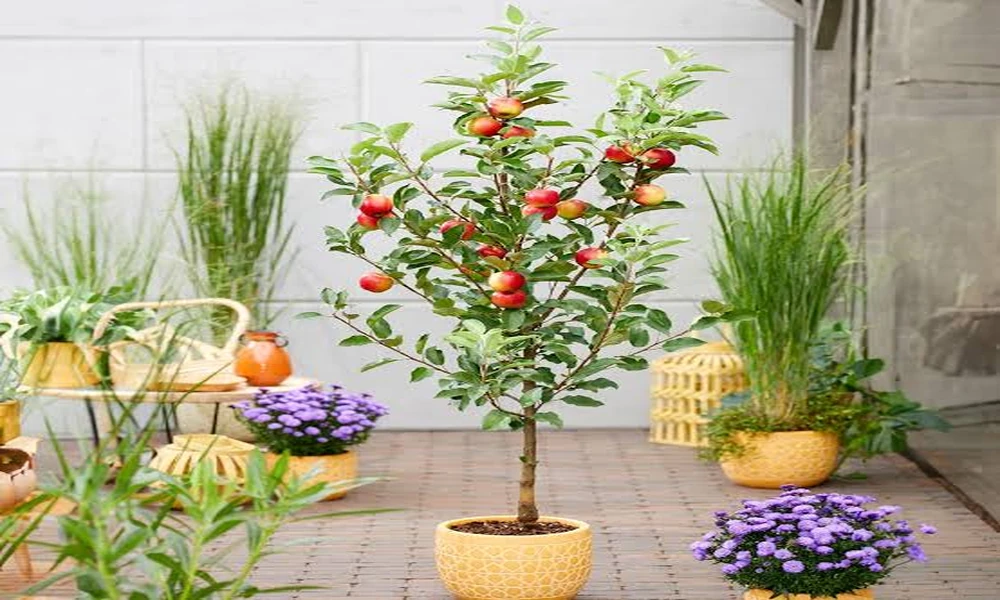

An allotment tree occupies more than its planting hole. Its canopy casts shade, its roots share soil with vegetables, its fruit needs collecting, and its position remains after annual beds are redesigned. That permanence is valuable when it is planned, but frustrating when it consumes the most flexible part of the plot.
Protecting growing space is not the same as choosing the smallest label. The allotment holder needs to consider tenancy rules, boundary distances, water, pollination, neighbouring plots, harvest security, and future handover. A well-placed tree becomes infrastructure for the plot rather than an obstacle that every new crop plan must work around.
Permanent planting changes the rotation, shade pattern, and working routes of an allotment for many seasons. On that basis, Fruit-Trees, the online fruit tree nursery, explains that permanent planting should be judged against the whole rotation. A fruit tree specialist points out that shade direction, pruning access, plot rules, and the watering route deserve attention before variety preference. The best position usually protects central growing beds and allows harvest from the holder’s own path. That discipline keeps the tree useful to the current gardener and understandable to whoever inherits the plot later.
This is a plot-planning problem first and a fruit-choice problem second. A rectangle marked on a winter plan can reveal more than a catalogue: it shows which bed loses sun, who needs to cross beneath branches, and where watering begins.
The following decisions move from shared rules to long-term handover. Their order is deliberate because an allotment tree succeeds through cooperation with the site as well as care from one gardener.
Confirm the Rules Before Reserving Ground
In confirm the rules before reserving ground, one fact gives this part of the decision its scale: allotment agreements differ on tree numbers, permitted height, boundary planting, and removal at the end of a tenancy. It affects the tree, the surrounding garden, and the time needed for annual care. Once it is clear, confirm the rules before reserving ground becomes a question of fit rather than optimism.
Around confirm the rules before reserving ground, conditions on the ground complete the comparison. Dry communal sites, exposed plots, winter waterlogging, and late frost in open ground shape the annual rhythm, while rules can also affect structures, support wires, water use, and responsibility for neglected fruit can magnify or soften their effect. That context helps confirm the rules before reserving ground remain realistic for a British audience.
Within confirm the rules before reserving ground, a fragile version of the plan relies on assuming that common practice on one plot is formal permission for another. It tends to work only while weather, time and enthusiasm are unusually generous. Normal difficult weeks then reveal the hidden cost.
For confirm the rules before reserving ground, the choice is easier to judge through discovering after planting that the permitted height is lower than the intended framework. Seen in that setting, the tree must share space with people, crops, weather and available time. Suitability becomes a lived condition rather than a label.
To assess confirm the rules before reserving ground, a disciplined comparison asks the gardener to try reading the current agreement and asking the site representative about any unclear restriction. The result can be used immediately and reviewed after the first season, making confirm the rules before reserving ground easier to explain and refine.
The final picture is a tree plan that remains compliant and less likely to create conflict. It fits the garden’s routine through plot inspections, sowing, watering, summer growth, communal access, harvest, and winter maintenance and gives practical expression to fruit harvests that add value without taking disproportionate ground from annual crops. A choice with that clarity remains valuable even when individual seasons vary.
Keep the Productive Centre Flexible
In keep the productive centre flexible, start with what the garden can demonstrate. Central beds carry the greatest range of annual crops and rotations. The evidence narrows keep the productive centre flexible to choices that remain workable in normal British conditions, including weeks when time, weather, or access is less generous.
The warning sign is using the easiest digging position for a permanent tree because it is empty in winter. What first looks like a modest concession can alter branch access, root competition and the willingness to complete routine care. The original benefit soon becomes harder to see beneath the extra work.
For keep the productive centre flexible, imagine the garden several seasons on and then try planning potatoes, beans, and squash around a canopy that expands each year. The picture is valuable because it includes mature growth and the jobs surrounding it. A plan that works there has stronger foundations than one designed only for planting day.
Evidence comes from mapping summer shade and placing long-lived roots where they remove the least adaptable ground. If the proposed site or tree cannot pass that check, alter the plan before ordering rather than hoping later care will compensate. The test keeps keep the productive centre flexible proportionate.
Around keep the productive centre flexible, seasonal resilience depends on more than a label. Dry communal sites, exposed plots, winter waterlogging, and late frost in open ground test establishment and cropping, and a boundary or corner is not automatically suitable if it is shaded, dry, inaccessible, or too close to a neighbour affects how comfortably the gardener can respond. The plan should leave room for that reality.
After weighing keep the productive centre flexible, handled with care, this part of the brief produces a plot whose annual cropping options remain broad. It gives the tree a coherent role across plot inspections, sowing, watering, summer growth, communal access, harvest, and winter maintenance and prevents keep the productive centre flexible from becoming detached from fruit harvests that add value without taking disproportionate ground from annual crops. The result remains easy to explain after the novelty has passed.
Plan Water From the Communal Source
The useful starting fact behind plan water from the communal source is that allotment watering is shaped by tap distance, opening arrangements, hose rules, and the number of crops competing for attention. For allotment holders considering a long-lived tree on a productive plot, settling that fact early keeps attractive names and photographs in their proper place. Mature fit, rather than first-season appearance, becomes the standard against which the choice is judged.
Test the idea against carrying cans past several beds during a hot evening when every crop needs moisture. That small exercise reveals requirements for space, support, timing or access that are easily missed during selection. Each requirement belongs in the brief before the tree arrives.
The costly shortcut is assuming a newly planted tree will receive spare water after vegetable beds are finished. Its weakness rarely appears all at once; it surfaces through missed watering, awkward cuts, wasted fruit or access that becomes steadily less pleasant. By then, plan water from the communal source has turned into a maintenance problem.
Before committing, complete this check: timing the walk from source to tree and setting a priority routine for prolonged dry weather. It exposes whether the site brief, likely workload and intended harvest point in the same direction. If they do not, the shortlist needs another pass.
Around plan water from the communal source, british weather adds movement to the calculation. Dry communal sites, exposed plots, winter waterlogging, and late frost in open ground affect establishment and annual care, while mulch and weed control reduce competition but do not remove the need for deep checks decides how quickly a weakness becomes visible. plan water from the communal source should still make sense when the season is awkward.
After weighing plan water from the communal source, the long-term test is whether the garden gains consistent establishment without sacrificing the rest of the plot. If it does, the duties within plot inspections, sowing, watering, summer growth, communal access, harvest, and winter maintenance feel connected and worthwhile. plan water from the communal source has then contributed directly to fruit harvests that add value without taking disproportionate ground from annual crops.
Share Light, Pollination and Boundaries Fairly
Turn the concern into action by discussing mature outline, shade direction, access, and compatible blossom before fixing the position. This creates a visible measure in the actual garden and separates a workable choice from one that succeeds only under ideal conditions. Once the evidence is assembled, the right moment to buy fruit trees is when the site brief, the likely workload, and the intended harvest all point in the same direction.
The strongest answer to share light, pollination and boundaries fairly grows from a simple premise: a tree influences neighbouring plots through shade, blossom, branches, roots, and fallen fruit. It places the tree within the actual site and household routine rather than within an idealised nursery image. That is the level at which long-term suitability can be compared honestly.
Consider pruning from the holder’s own side while keeping ripe fruit from dropping into a neighbour’s bed. It places the tree among the movements and decisions of a working garden, where convenience and access have consequences. The right option should improve that routine rather than ask the routine to bend around it.
Risk enters when the gardener chooses treating the boundary as unused space without considering the person on the other side. The apparent saving in space or effort is often repaid through years of corrective work. A sound brief makes that trade-off visible before commitment.
The British season rarely repeats neatly. Dry communal sites, exposed plots, winter waterlogging, and late frost in open ground alter growth and care, and nearby fruit trees can support blossom compatibility, but they also increase the need for coordinated hygiene and access further shapes the outcome. The plan therefore needs enough margin to absorb variation without losing its purpose.
After weighing share light, pollination and boundaries fairly, over time, the plan should reveal a tree that contributes pollination without becoming a boundary dispute. The sequence of plot inspections, sowing, watering, summer growth, communal access, harvest, and winter maintenance then becomes a useful review cycle rather than a series of corrections. It keeps share light, pollination and boundaries fairly aligned with fruit harvests that add value without taking disproportionate ground from annual crops.
Make Harvest Security Part of the Layout
One assumption deserves particular suspicion: hiding the tree at a remote edge where windfalls, pests, or missed ripeness go unnoticed. It shifts responsibility from the present decision to a future gardener who must repeatedly prune, protect or reorganise the space. A better answer removes that burden at source.
In make harvest security part of the layout, before comparing varieties, pause over one physical truth: ripe fruit is easier to monitor when the framework is visible and reachable from the main plot route. It changes how make harvest security part of the layout works in an ordinary garden and what the gardener must be able to maintain. A sound shortlist begins with that constraint and lets cultivar preference follow.
Reality enters the comparison through asking a trusted plot neighbour to collect ripe fruit during a planned absence. The example connects the proposed tree to a household habit instead of treating it as a self-contained garden feature. It also exposes which compromises would be repeated year after year.
Around make harvest security part of the layout, local conditions prevent the answer from becoming a formula. With dry communal sites, exposed plots, winter waterlogging, and late frost in open ground, the significance of different crops ripen during holiday periods or busy allotment weeks, so shared picking arrangements can help changes from garden to garden. Resilience comes from acknowledging that interaction, not from pretending it can be designed away.
The decision becomes testable through standing at the shed, gate, and main path to check sightlines and picking access. A clear result prevents attractive secondary details from displacing the conditions that determine long-term fit. It also provides a useful record for later review.
After weighing make harvest security part of the layout, a successful decision leaves the garden with a harvest that is noticed, gathered, and used at the right time. The recurring work of plot inspections, sowing, watering, summer growth, communal access, harvest, and winter maintenance remains proportionate, and each task supports fruit harvests that add value without taking disproportionate ground from annual crops. That relationship is the clearest measure of long-term value.
Leave a Clear Handover
Around leave a clear handover, conditions on the ground complete the comparison. Dry communal sites, exposed plots, winter waterlogging, and late frost in open ground shape the annual rhythm, while clear labels and a modest framework are especially valuable when plot occupancy changes unexpectedly can magnify or soften their effect. That context helps leave a clear handover remain realistic for a British audience.
In leave a clear handover, one fact gives this part of the decision its scale: an allotment tree can outlast the enthusiasm, health, or tenancy of the person who planted it. It affects the tree, the surrounding garden, and the time needed for annual care. Once it is clear, leave a clear handover becomes a question of fit rather than optimism.
For leave a clear handover, the choice is easier to judge through handing over a winter sketch that shows the tree’s intended outline and watering area. Seen in that setting, the tree must share space with people, crops, weather and available time. Suitability becomes a lived condition rather than a label.
Within leave a clear handover, a fragile version of the plan relies on creating a specialised framework whose purpose and care are obvious only to its original owner. It tends to work only while weather, time and enthusiasm are unusually generous. Normal difficult weeks then reveal the hidden cost.
Resolve uncertainty through recording variety, rootstock, pollination notes, pruning form, and annual priorities with the plot papers. The outcome should either confirm the arrangement or prompt a change before the tree arrives. In both cases, leave a clear handover benefits from an explicit decision rather than a hopeful assumption.
Look for a permanent asset that another holder can understand and maintain as the practical finish. It should remain visible through plot inspections, sowing, watering, summer growth, communal access, harvest, and winter maintenance, when weather and workload expose weak assumptions. A tree that supports fruit harvests that add value without taking disproportionate ground from annual crops under those conditions is genuinely well placed.