
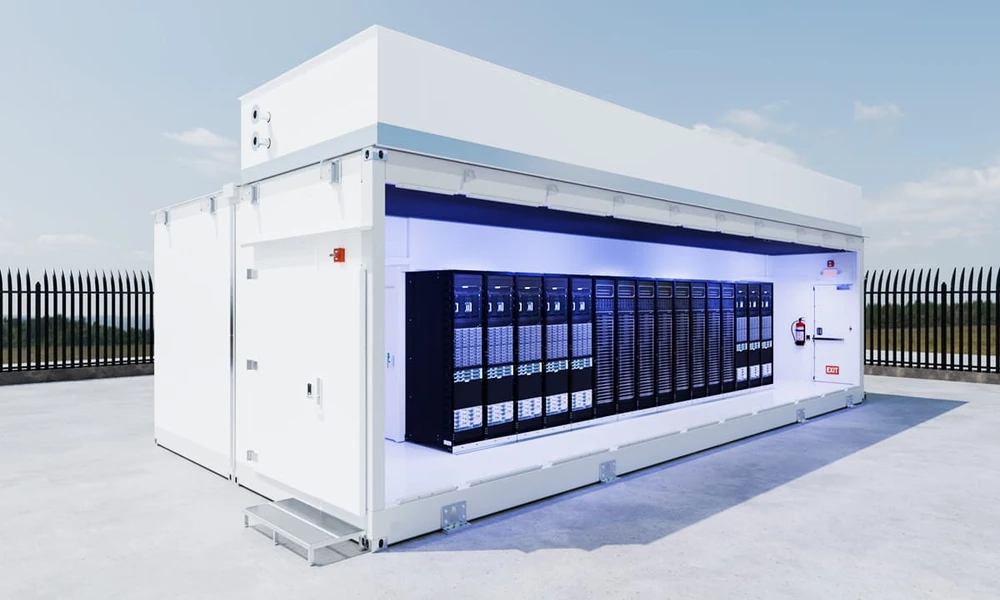

A silent revolution is underway in the world of data processing: modular architecture is redefining how data centers are designed, built, and operated. As organizations demand more agility and resilience from their digital infrastructure, the old monolithic approaches can no longer keep up. Instead, modular data centers are emerging as the new backbone of the information age, faster to deploy, easier to upgrade, and engineered for the unknown challenges of the next two decades.
Origins of Modular Architecture in Data Processing Facilities
Early Challenges in Traditional Data Center Design
Traditional data centers always struggled with a fundamental flaw: rigidity. Massive, bespoke facilities would be constructed based on forecasts that rarely aged well. Technology, regulations, and business needs shifted rapidly, but concrete and steel did not. This mismatch created costly, slow-moving infrastructure that often became obsolete long before its planned lifecycle ended.
The Emergence of Modular Concepts: Drivers and Innovations
The shift began as enterprises craved faster deployment cycles and lower risk. Prefabricated modules, fully engineered rooms, power skids, or even entire data halls, offered a way to sidestep lengthy construction schedules. Modular thinking took hold as innovations in manufacturing and design allowed for repeatable, scalable elements that could be delivered and assembled on-site in a fraction of the time.
Key Components of Modular Data Centers
Prefabricated Building Elements and Their Advantages
Modular data centers typically use prefabricated structures and components, manufactured off-site. These might include steel-framed rooms, raised floors, cooling infrastructure, or electrical units, all delivered ready for integration. The result? Significantly reduced on-site labor, streamlined quality control, and a facility that can grow as demand increases.
Scalable Power and Cooling Systems
One of the core strengths of modular design is flexibility in power and cooling. Instead of sizing for a maximum (often theoretical) load, modular centers can start small and scale up in measured increments. This “just-in-time” approach prevents overbuilding, reduces waste, and allows for the latest technologies to be integrated during later expansions.
Integration of Advanced Redundancy and Reliability Features
Reliability remains paramount. Modular architecture makes it easier to integrate redundant power supplies, backup generators, and advanced cooling redundancy. If a module needs repair or replacement, it can be isolated and serviced without disrupting the entire facility.
Case Study: The Montréal Modular Data Processing Facility
A prime example of these principles in action is the 109,000-square-foot data processing center in metropolitan Montréal, designed by architecte centres de traitement de données Stendel + Reich. The project was built to meet Uptime Institute Tier 2 and Tier 3 standards, with a particularly impressive inclusion: a 35,000-square-foot clean room and a power capacity of 10 MW.
Design Specifications and Uptime Institute Standards
This facility blends modular design with high standards for uptime, ensuring continuous operations. By aligning with Tier 2 and 3 criteria, the center is equipped to handle routine maintenance and unexpected outages with minimal disruption.
Modular Implementation for Long-Term Flexibility
Instead of betting everything on day-one forecasts, the team prioritized a modular approach for both the building and its equipment. This decision supports evolving technology needs and business models over a projected 20-year life cycle.
Power Systems Ensuring 48-Hour Autonomy
A standout feature is the complex generator system, designed to keep the center running independently for 48 hours if the grid fails. Such resilience is built more efficiently when modular thinking is applied from the earliest planning stages.
Evolution of Modular Architecture Over the Past Decade
Advances in Construction Techniques and Materials
Over the last ten years, prefabrication has become more sophisticated. High-strength composites and smarter manufacturing have allowed for faster, more precise construction with reduced environmental footprint.
Increasing Demand for Energy Efficiency and Sustainability
Clients now demand greener facilities. Modular systems can be tailored with energy-efficient cooling, renewable power options, and easy integration of future upgrades, features that traditional designs struggle to retrofit.
Shifts in Data Center Deployment Strategies
No longer is it about building the biggest data center possible. Operators now distribute smaller, purpose-built facilities near users and data sources, further fueling modular adoption.
Impact on Operational Efficiency and Cost Management
Reduced Construction Time and Disruption
Prefabrication cuts project timelines dramatically. Faster construction means less business disruption and earlier returns on investment.
Simplified Maintenance and Upgrade Cycles
When systems are modular, repairs and upgrades become less intrusive. A faulty power unit or cooling pod can be swapped out with minimal downtime.
Financial Benefits Over Traditional Data Centers
Cost management improves with modular construction. Fewer surprises, less overbuilding, and phased investments translate to better financial predictability and efficiency.
Future Trends Shaping Modular Data Centers
Integration with Edge Computing and Distributed Networks
As data processing moves closer to users, modular centers are uniquely equipped to support edge computing, offering scalable, repeatable solutions for distributed workloads.
Smart Automation and AI-Driven Facility Management
Automation and AI-driven controls are easier to deploy and update in modular environments, paving the way for more intelligent, adaptive operations.
Modular Designs Supporting Emerging Technologies
New technologies demand flexibility. Quantum computing, new cooling methods, or alternative energy sources can be slotted in with far less friction in a modular facility.
Challenges and Considerations Moving Forward
Balancing Standardization with Customization
Striking the right balance between standardized modules and the ability to tailor solutions for specific needs will be an ongoing challenge.
Addressing Security and Compliance in Modular Builds
As modular centers proliferate, ensuring airtight physical and cyber security, as well as compliance with evolving regulations, must remain a top priority.
Environmental and Regulatory Factors
Sustainability pressures and changing codes will require continuous adaptation in materials, energy strategies, and site selection.
Conclusion: Modular Architecture as a Cornerstone for Next-Generation Data Processing Facilities
The modular approach is no longer a trend; it is now a foundational strategy for future-ready data processing facilities. By prioritizing flexibility, speed, and resilience, modular architecture ensures that the digital infrastructure of tomorrow can keep pace with whatever the future holds.