
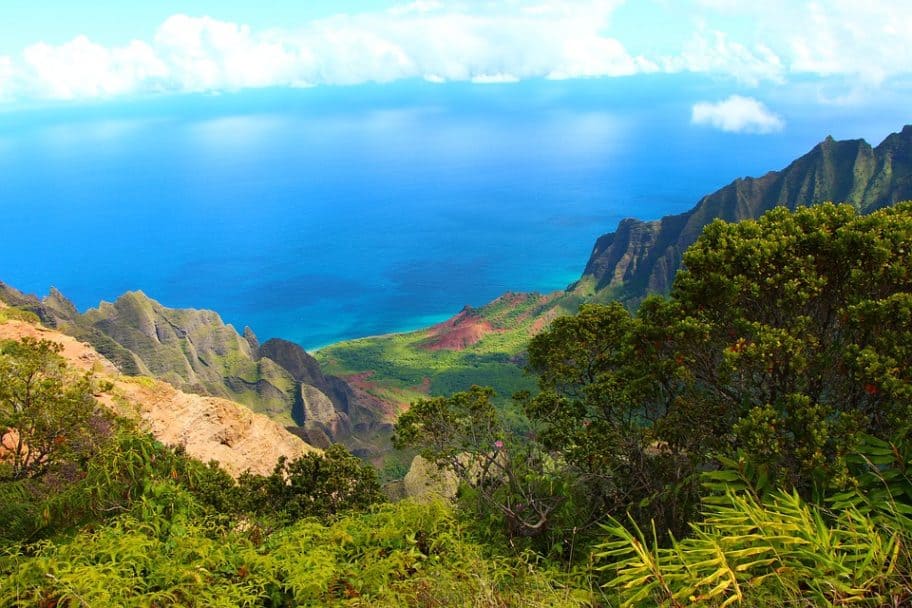
For travelers drawn to breathtaking vistas and natural grandeur, few experiences rival journeys along the world’s most dramatic coastlines. These landscapes captivate with towering cliffs, jagged rock formations, and hidden coves that create a sense of scale and awe. Coastal regions offer more than scenic beauty; they tell the story of geological forces, shifting seas, and centuries of human interaction with the natural environment. Exploring these areas allows travelers to witness a variety of ecosystems, each shaped by the relentless interaction of land and water.
Europe is home to some of the most varied and striking coastal landscapes on the planet. Norway’s fjords, for example, are a marvel of glacial sculpting, where steep cliffs rise abruptly from placid waters. Small villages cling to the edges of these fjords, and waterfalls cascade from sheer rock faces, creating an atmosphere of tranquility punctuated by dramatic natural features. For those on European cruises, navigating these fjords provides unparalleled access to areas that would be difficult to explore by land alone, offering perspectives that reveal the sheer scale and intricate details of these environments.
The Mediterranean presents a different type of drama. Italy’s Amalfi Coast, Greece’s Santorini, and the French Riviera combine steep cliffs with vibrant human settlements. In these regions, nature and culture intersect, with historic villages perched on cliffs overlooking the sea. The contrast of sunlit cliffs against deep blue waters, punctuated by architecture that has stood for centuries, creates a visual richness that draws travelers to explore both on foot and from the water. Each port offers opportunities to enjoy local cuisine, wander narrow streets, and absorb the unique character that these coastal communities have cultivated over generations.
Iceland’s coastline introduces another layer of drama. Here, volcanic formations, black sand beaches, and pounding surf form a stark, almost otherworldly landscape. Glacial rivers carve deep channels into the land, while sea stacks rise from the ocean like sentinels. Cruises along Icelandic shores reveal hidden coves and remote harbors that are often inaccessible by road, giving travelers a sense of discovery and isolation. Wildlife such as puffins, seals, and whales adds life to the rugged terrain, creating moments of connection with both the natural world and its enduring rhythms.
The British Isles offer dramatic contrasts along both their rugged western coasts and more sheltered eastern waters. Cliffs along Scotland’s coast rise directly from the sea, forming habitats for seabird colonies and providing sweeping views of the North Atlantic. In Ireland, the Cliffs of Moher and surrounding coastal landscapes illustrate how erosion and geological activity have shaped the land over millennia. A cruise along these coasts provides the advantage of perspective, where travelers can observe geological features, local flora, and the patterns of settlement that have emerged in response to the environment.
In southern Europe, the coastline of Croatia and Montenegro offers a combination of rocky cliffs, hidden beaches, and historic towns. The Adriatic Sea’s clarity reveals submerged reefs and rich marine life, while medieval towns perched above the water highlight the relationship between geography and human history. Sailing along this coastline allows passengers to enjoy the interplay of natural beauty and cultural heritage, with opportunities to explore fortified towns, coastal islands, and secluded bays.
The Pacific Northwest of North America also provides some of the world’s most striking coastal landscapes. Forested islands, narrow channels, and dramatic cliffs create a sense of remoteness and beauty. Eagles soar along cliffs, and otters and seals can be observed playing in sheltered coves. Cruises in this region allow travelers to witness the interplay between old-growth forests and tidal waters, a combination that defines the character of the coastline and its ecological richness.
Scenic coastal travel is enhanced by the perspective offered from the water. Unlike journeys by road, which limit views and often involve navigating around natural obstacles, a cruise allows travelers to experience uninterrupted panoramas. The movement of the ship reveals new angles, changing light conditions, and the subtle rhythms of the sea. Observing waves breaking against cliffs, reflections of mountains in calm bays, and the interaction of wildlife with their environment provides a holistic understanding of the coast that is difficult to replicate from land alone.
For those seeking adventure, cultural engagement often complements the natural spectacle. Small towns, harbors, and historical landmarks dot dramatic coastlines, allowing travelers to explore human adaptations to challenging environments. Fishing villages, lighthouses, and ancient fortresses provide insight into the ways communities have thrived along these often rugged shores. Shore excursions offer opportunities to hike cliffs, kayak through sheltered channels, or simply wander along quiet beaches, creating an immersive experience that combines visual delight with active exploration.
Environmental awareness adds depth to the experience. Many dramatic coastlines are fragile ecosystems, home to endemic species and sensitive habitats. Travelers who approach these regions with respect gain a more meaningful connection, whether by observing wildlife responsibly, adhering to local conservation guidelines, or simply appreciating the scale and complexity of these landscapes. Recognizing the interplay between geological forces, human history, and ecological resilience enhances the appreciation of these spectacular coasts.
Ultimately, the world’s most dramatic coastal landscapes are defined by contrasts: cliffs and coves, forest and sea, solitude and settlement. Each journey along these coasts provides a blend of visual drama, natural wonder, and cultural insight. Travelers emerge with a deeper understanding of how land and water shape one another and how human activity has adapted to, and in some cases preserved, these striking environments. The combination of scenic beauty, ecological richness, and cultural context makes exploring dramatic coastlines a rewarding experience for those who seek adventure, reflection, and connection with the natural world.
From fjords in Norway to cliffs in the British Isles, volcanic shores in Iceland, and sunlit coasts of the Mediterranean, the diversity of dramatic coastlines is staggering. Experiencing them by cruise enhances both accessibility and immersion, allowing travelers to move seamlessly from one awe-inspiring location to another. For those drawn to landscapes that inspire wonder and a sense of scale, coastal journeys remain among the most memorable and transformative experiences available in travel today.


