
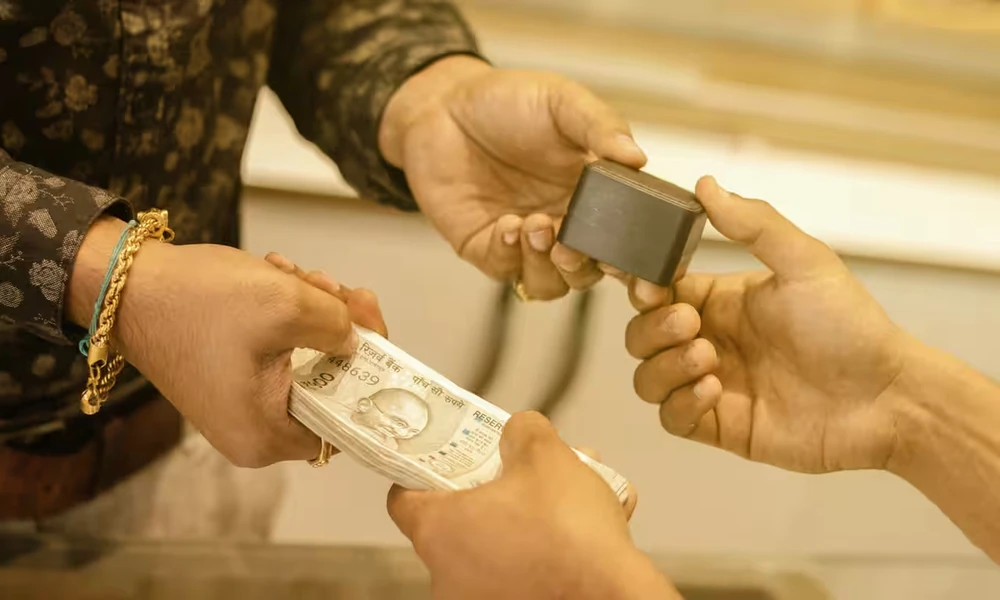

Nearly every Indian household has a drawer or locker holding old ornaments: a chain that no longer suits current tastes, a pair of earrings inherited from a relative, or a set that has simply gone out of fashion. When family needs arise, or when the Today Gold Rate climbs to an attractive level, thoughts naturally turn to converting that idle metal into cash or into something new. Residents who have been following Gold Rate Today Hyderabad may feel that the moment is right to sell. Yet many people lose a surprising amount in the process because they walk into the first shop they see and accept whatever is offered. Selling or exchanging old jewellery is an important financial transaction, and a little preparation can make a real difference to what you receive. This guide explains how to prepare, compare, and protect yourself.
Knowing What Your Jewellery Is Worth
Before approaching any buyer, work out a realistic estimate of the value of your pieces. Start with the weight of each item, which you can check on your original bills or at a trusted shop. Identify the purity, which is ideal from the hallmark; a twenty-two carat piece would fetch a higher price per gram than an eighteen carat piece. Remove or separately note any stones, pearls or enamel, as buyers tend to value only the gold content and assign little or no value to the additions. Multiply the pure gold weight by the prevailing market price for the relevant purity to arrive at a rough figure; this will be your reference. You should expect the offer to be somewhat lower due to deductions for melting, testing and the buyer’s margin, but knowing your own estimate enables you to spot unreasonably low offers.
Sell Versus Exchange
There are two main routes for converting old jewellery. Selling means getting cash or a bank transfer in exchange for your ornaments, whereas exchange is trading them against new jewellery with the value of the old piece credited to your purchase. The exchange is convenient and often comes with attractive offers such as reduced making charges on the new item or a higher credited rate. However, it can also bind you to one jeweller; a generous-sounding credit can be offset by higher making charges on the new purchase. Selling for cash provides flexibility and the ability to shop around, but you may face steeper deductions if the buyer isn’t connected to your original purchase. Ask each jeweller how they calculate value, whether they accept pieces bought elsewhere and what deductions apply. Getting quotes from at least three buyers (a reputable organised retailer and an established local dealer) quickly reveals the going range.
Testing, Deductions and Paperwork
Reputable buyers will test the purity of your jewellery in front of you, using methods such as a touchstone, acid test or an electronic testing machine; some may employ a more precise technique that involves melting a small sample. Insist on watching the process and ask for the results to be stated clearly. Deductions are commonly applied to cover melting losses, impurities and the operating costs of the buyer; the percentage varies from shop to shop. Ask for the deduction to be written down so that there is no confusion later. Obtain a detailed receipt that records the weight, purity, rate applied, deductions and final amount paid, including the buyer’s name and address. If the transaction is large, go for a bank transfer or cheque rather than cash, leaving a clear record. Keep the paperwork safe as it may be needed for tax purposes or if any question later arises about the sale.
Tax and Timing Considerations
Selling gold can have tax implications; it’s better to understand them before you act. Profits from the sale of gold jewellery or coins are generally treated as capital gains, and the rate of tax depends on how long the asset was held before sale. Holding beyond the specified period qualifies gains for long-term treatment (more favourably taxed than short-term gains). Inherited jewellery has its own rules relating to the cost of acquisition and the holding period so keep whatever documents you have (old bills or family records). Due to tax rules changing and individual circumstances varying, consulting a qualified tax professional before selling a large quantity is wise. On timing, avoid the temptation to sell in panic and in a temporary dip as well as waiting indefinitely for a peak. If you have a specific need, plan well ahead and give yourself time to compare offers rather than being rushed into a decision.