
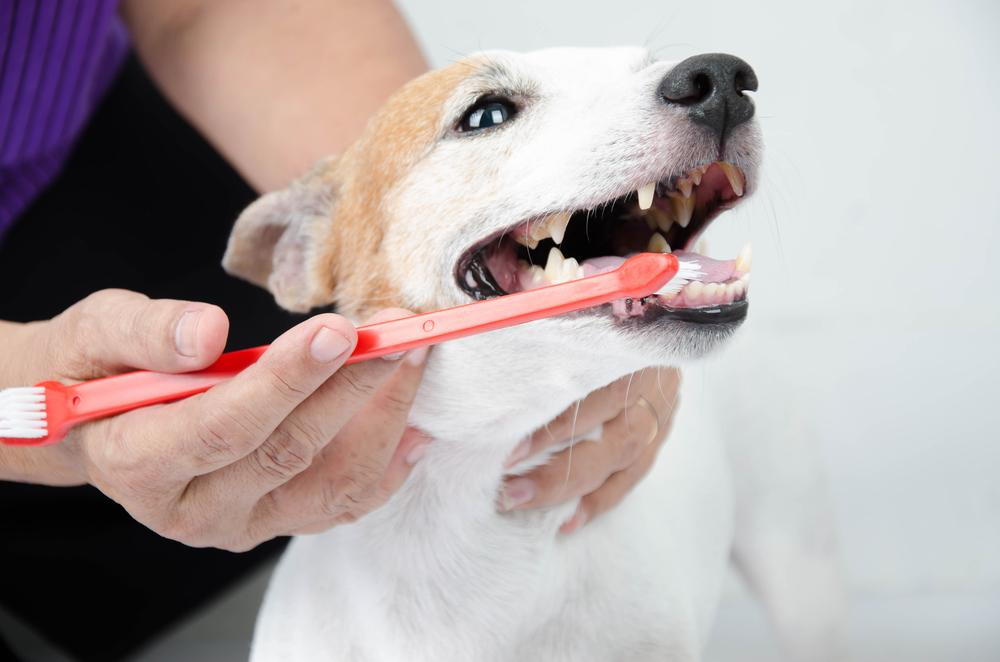

Oral health is a crucial but often overlooked aspect of pet wellness. Just like humans, dogs and cats are susceptible to dental problems that can lead to pain, infections, and serious systemic health issues. Routine dental care for pets not only helps prevent oral diseases but also contributes to overall health, longevity, and quality of life. Understanding the importance of dental hygiene, recognizing signs of dental disease, and implementing preventive measures can ensure your pet remains healthy and comfortable.
Why Dental Care Matters
Dental problems are common in pets, with studies indicating that more than 80% of dogs and cats over three years old show signs of periodontal disease. Untreated dental disease can lead to:
- Pain and Discomfort: Difficulty chewing, drooling, or pawing at the mouth
- Tooth Loss: Severe periodontal disease can result in the loss of teeth
- Infections: Bacteria from the mouth can enter the bloodstream, affecting the heart, liver, and kidneys
- Bad Breath: Persistent halitosis is often a sign of underlying dental issues
Routine dental care prevents these issues and helps maintain your pet’s overall well-being.
Common Dental Issues in Pets
Pets are susceptible to a variety of dental conditions, including:
- Periodontal Disease: The most common dental problem, caused by plaque and tartar buildup that inflames gums and damages tooth-supporting structures.
- Gingivitis: Early-stage gum inflammation, which can progress to periodontal disease if untreated.
- Tooth Fractures: Caused by chewing hard objects, trauma, or wear and tear.
- Oral Tumors: Abnormal growths that require prompt veterinary evaluation.
- Retained Baby Teeth: Common in small breed dogs, leading to overcrowding and misalignment.
Early detection is key to managing these issues effectively and preventing long-term complications.
Recognizing Signs of Dental Problems
Pet owners should watch for signs indicating potential dental disease:
- Bad breath or foul odor from the mouth
- Red, swollen, or bleeding gums
- Difficulty eating or chewing
- Drooling excessively
- Loose or broken teeth
- Pawing at the mouth or face
Observing these symptoms and seeking veterinary care promptly can prevent severe dental problems and systemic health issues.
Preventive Dental Care for Pets
Preventing dental disease is far easier and less stressful than treating advanced problems. Key preventive measures include:
1. Regular Brushing
- Use pet-specific toothbrushes and toothpaste
- Brush teeth daily or several times per week to remove plaque buildup
2. Professional Dental Cleanings
- Routine cleanings by a veterinarian remove tartar and address early disease
- Provide opportunities for oral examinations to detect hidden issues
3. Dental Diets and Chews
- Specially formulated foods and treats reduce plaque and tartar accumulation
- Chew toys designed for dental health promote jaw exercise and cleaning action
4. Oral Rinses and Water Additives
- Veterinary-approved products help reduce bacteria and plaque formation
- Useful for pets resistant to brushing
The Link Between Oral Health and Overall Wellness
Dental health is not isolated to the mouth. Bacteria from untreated oral disease can enter the bloodstream, potentially causing systemic infections or worsening existing conditions, such as:
- Heart Disease: Bacteria can infect heart valves, leading to endocarditis
- Kidney and Liver Issues: Oral bacteria may compromise organ function
- Diabetes Complications: Poor dental health can make blood sugar management more difficult
Maintaining oral hygiene supports overall wellness, making dental care a cornerstone of preventive veterinary medicine.
Tips for Maintaining Dental Health at Home
Consistency and proper technique are essential for effective at-home dental care:
- Brush teeth at the same time each day to establish a routine
- Use treats and praise to make brushing a positive experience
- Inspect your pet’s mouth regularly for signs of redness, swelling, or unusual growths
- Avoid human toothpaste; always use veterinary-approved toothpaste
- Offer dental chews and toys that support oral hygiene
Even small daily efforts can significantly reduce the risk of dental disease and improve your pet’s quality of life.
Partnering With a Veterinarian for Dental Care
Professional guidance is critical for effective dental care. Veterinarians can:
- Perform comprehensive oral exams during routine checkups
- Identify early signs of dental disease before symptoms become severe
- Recommend tailored preventive plans, including professional cleanings and at-home care routines
- Provide treatment for issues such as extractions, fillings, or oral surgery
A trusted veterinary partner ensures that dental care is safe, effective, and aligned with your pet’s overall health needs.
Conclusion
Routine dental care is essential for keeping pets healthy, comfortable, and happy. Preventive measures, including professional cleanings, at-home brushing, dental diets, and regular veterinary evaluations, can prevent pain, disease, and systemic health complications. For pet owners committed to maintaining optimal oral health in their pets, professional services at Douglas Animal Hospital provide comprehensive dental care, expert guidance, and personalized treatment plans to ensure your pets’ teeth, gums, and overall wellness remain in excellent condition throughout their lives.